

Clearwater Beach Water Temperature: Monthly Guide
The average water temperature in Clearwater Beach fluctuates throughout the year, peaking at 86°F in August and dropping to 62°F in January. For the most comfortable experience swimming or jet skiing, aim for May through October when the Gulf of Mexico feels like a warm, inviting bath.
What Is the Average Water Temperature in Clearwater Beach?
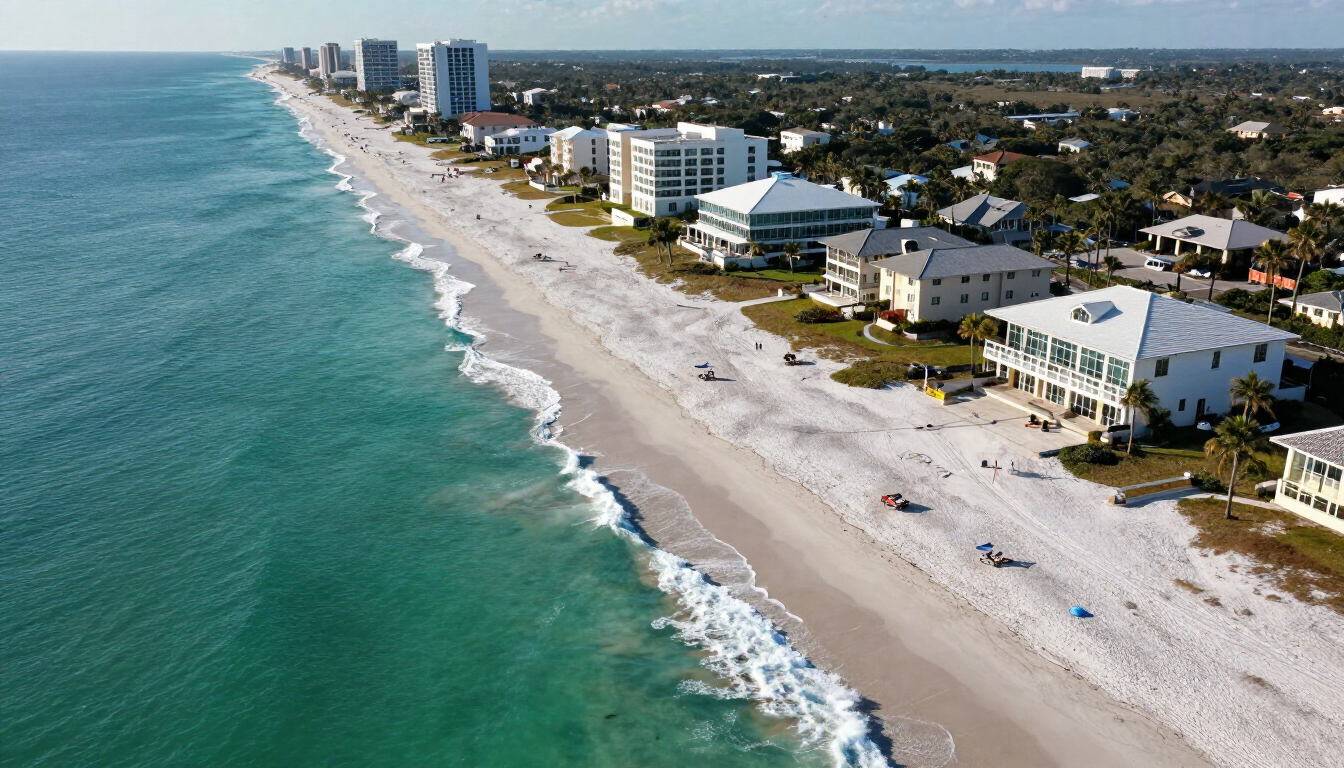
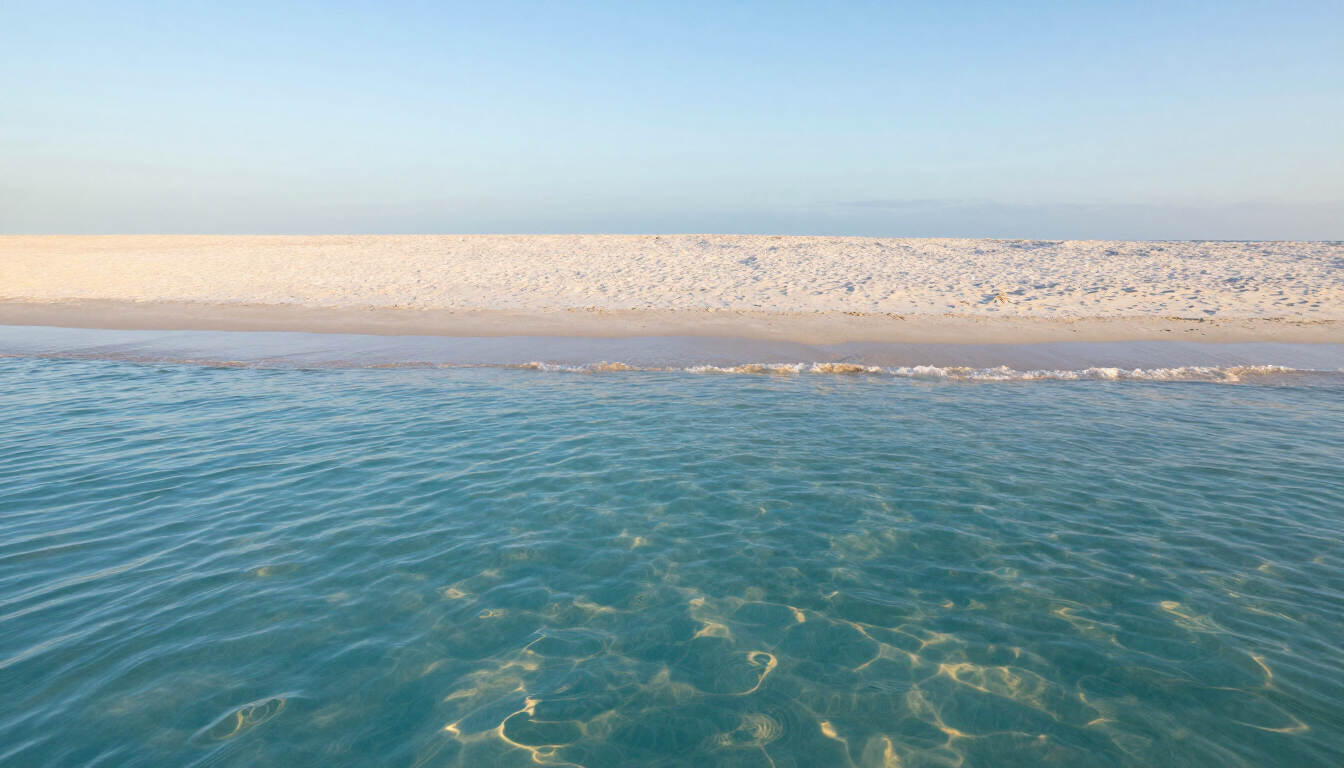
Clearwater Beach is famous for its crystal-clear, emerald-green waters and sugar-white sands. However, because it sits on the Gulf of Mexico, the temperature can vary significantly depending on the season. Unlike the Atlantic Ocean, the Gulf is a relatively shallow body of water, meaning it warms up quickly in the spring and retains its heat well into the autumn. For vacationers planning their trip to 1000 Palms Vacation Rentals , understanding these shifts is the key to a perfect vacation.
If you are a fan of warm-water swimming, you will likely find the summer months to be paradise. If you prefer a refreshing dip to escape the Florida humidity, the shoulder seasons might be more your speed. Regardless of when you visit, there is always an activity waiting for you, from high-speed watersports rentals to peaceful sunset strolls. Below, we dive into the month-by-month specifics so you can pack your swimsuit (or your wetsuit) accordingly.
Is the Gulf of Mexico Warm Enough for Swimming in Winter?
Winter in Clearwater Beach is mild and sunny, but the water temperature does take a dip. While locals might find the water a bit brisk, many visitors from northern climates still find it manageable for a quick swim. During the months of December, January, and February, the average water temperature hovers between 62°F and 66°F.
- January: Usually the coolest month, averaging 62°F.
- February: Temperatures begin a very slow climb, averaging 64°F.
- March: The water hits 68°F, signaling the start of Spring Break.
While swimming might require a bit of bravery in January, these months are actually some of the best for other water-based activities. The air is crisp, the humidity is low, and the visibility in the water is often excellent. This is a fantastic time for a dolphin tour or a slow paddleboard session along the intracoastal waterways. If you are staying at one of our beachfront properties, you can enjoy the view of the waves without necessarily having to dive in!
Spring Weather: When Does the Water Start to Warm Up?
Spring is arguably the most popular time to visit Clearwater Beach. The air temperature is nearly perfect—usually in the high 70s or low 80s—and the water starts to catch up quickly. By mid-April, the Gulf of Mexico starts to feel truly comfortable for the average swimmer.
- April: Water temps average around 74°F.
- May: The water reaches a delightful 78°F to 80°F.
May is often considered the "sweet spot" for Florida vacations. The heavy crowds of March have dissipated, the rainy season hasn't quite started, and the water is warm enough for all-day play. This is when our watersports rentals really start to pick up. Jumping on a jet ski in 78-degree water is an exhilarating experience that doesn't leave you shivering when the wind hits your skin. It’s also the ideal time for paddleboarding, as the Gulf is often as smooth as glass during the morning hours.
Peak Summer Conditions for Jet Skiing and Water Sports
When June arrives, Clearwater Beach transforms into a tropical oven—in the best way possible. The water temperature climbs into the 80s and stays there until late September. If you love the feeling of walking into a heated pool, summer is your season. The water is so warm that you can spend hours snorkeling, floating, or playing volleyball in the surf without a second thought.
- June: Averages 83°F.
- July: Averages 85°F.
- August: The peak of warmth at 86°F.
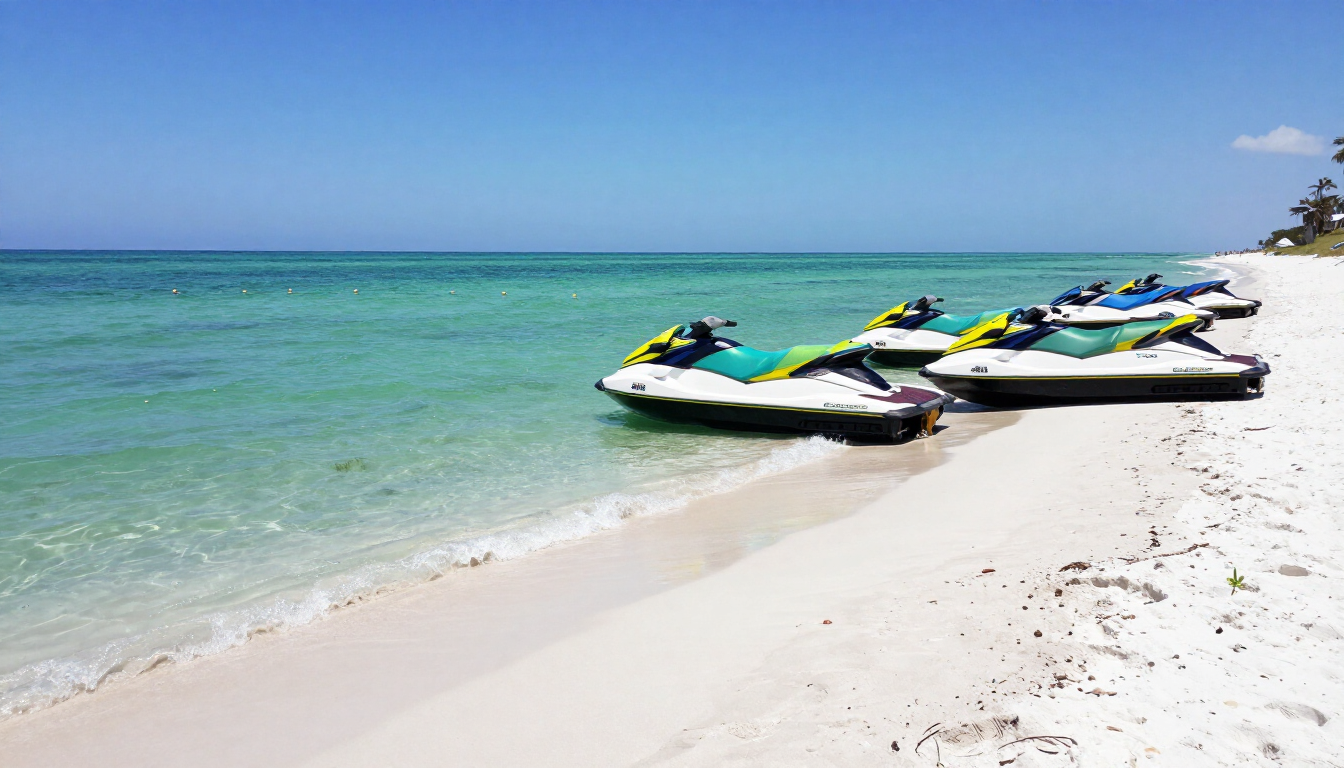
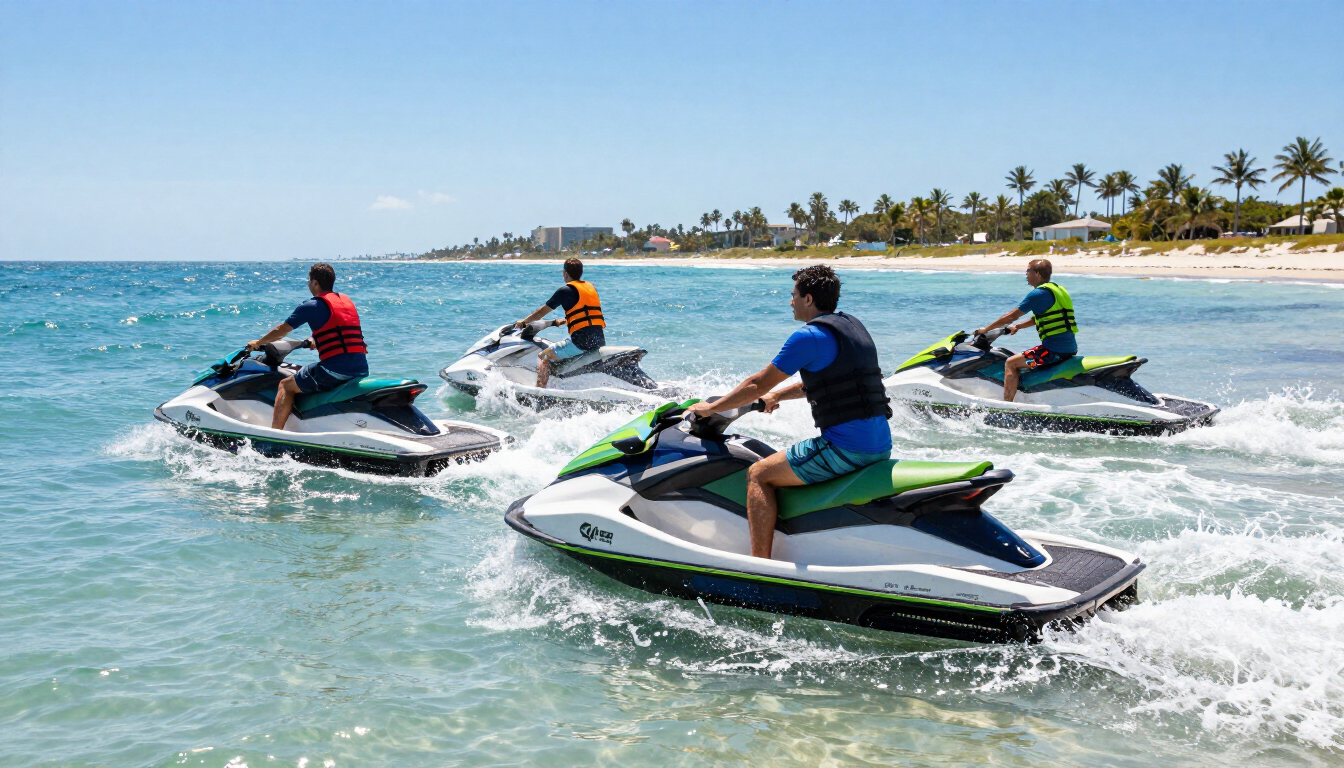
For those looking for high-octane thrills, the summer water is perfect for jet skiing. Since you’ll likely be getting splashed frequently, the warm water ensures you stay comfortable throughout your ride. It’s also the best time of year for offshore dolphin tours. The dolphins are active, and the calm, warm summer seas make for a smooth boat ride. Just remember to stay hydrated and apply plenty of sunscreen, as the Florida sun is at its strongest during these months.
Fall Transitions: How Long Does the Warmth Last?
One of the best-kept secrets of Clearwater Beach is the fall season. While much of the country is starting to see leaves change and temperatures drop, the Gulf of Mexico remains remarkably warm through October. In fact, many locals prefer swimming in September and October because the "sting" of the summer heat has left the air, but the water is still incredibly inviting.
- September: Averages 84°F.
- October: Averages 79°F.
- November: Drops to 72°F.
October is a standout month for visitors who want to avoid the summer humidity but still enjoy the beach. The water temperature is often identical to the air temperature, creating a seamless experience between lounging on the sand and wading into the waves. By November, the water begins to cool significantly, but it remains popular for boat tours and fishing trips. If you are staying at our pet-friendly rentals, the cooler fall air is also much more comfortable for your four-legged friends to enjoy a walk along the shore.
Best Months for Specific Activities
Choosing when to visit depends heavily on what you plan to do once you arrive. While the water is always there, some months offer better conditions for specific adventures. Here is a quick guide to help you decide:
- Swimming: June through September for maximum warmth.
- Jet Skiing: May through October for the best water-to-air balance.
- Dolphin Tours: March through May for active sightings and mild air.
- Paddleboarding: April and October for the calmest, glass-like water.
- Shelling: January and February after winter cold fronts push shells ashore.
No matter which month you choose, 1000 Palms Vacation Rentals offers the perfect home base. Many of our properties are beachfront or waterfront, allowing you to check the water conditions right from your balcony. Check out our latest blog posts for more local tips on where to eat and what to see during your stay.
Essential Safety Tips for Florida Gulf Waters
Before you dive into the beautiful waters of Clearwater Beach, there are a few safety tips to keep in mind. The Gulf is generally very calm, but it is still a natural environment that requires respect.
Always pay attention to the beach flags. A green flag means low hazard and calm conditions, while a yellow flag indicates moderate surf or currents. Red flags mean high hazard, and you should stay out of the water. Additionally, be aware of the "Stingray Shuffle." During the warmer months, stingrays like to bury themselves in the shallow sand. By shuffling your feet as you walk into the water, you vibrate the sand and warn them of your presence, causing them to swim away harmlessly.
How Do Seasonal Changes Affect Marine Life Visibility?
Water temperature doesn't just affect your comfort; it also impacts what you see beneath the surface. In the cooler winter months, the water is often clearer because there is less plankton and algae growth. This makes it a great time for snorkeling near the jetties or taking clear-bottom kayak tours. As the water warms in the summer, the increased biological activity can sometimes lead to a slight cloudiness, though the "emerald" tint becomes much more vibrant.
During the transition months of spring and fall, you are most likely to see large schools of fish near the shore. Manatees are also more common in the coastal areas when the water is above 68°F, as they seek out the warmth of the Gulf and the nearby springs. Keeping an eye on the water temperature can actually help you predict what kind of wildlife encounters you might have during your vacation.
Frequently Asked Questions About Clearwater Water Temps
Is the water in Clearwater Beach always warm?
Not quite. While it is much warmer than northern beaches year-round, it does drop into the 60s during the winter. It is considered "warm" (above 80°F) from late May through early October.
Do I need a wetsuit for jet skiing in the winter?
Most people find a thin wetsuit or a "shorty" helpful if they plan to be on the water for an extended period in January or February. However, on sunny days, many people go without one.
When is the best time for a dolphin tour?
Spring and early summer are fantastic. The dolphins are very active, and the weather is generally clear, providing the best visibility for spotting fins breaking the surface.
Planning Your Perfect Clearwater Beach Getaway
Understanding the water temperature in Clearwater Beach is the first step toward a successful Florida vacation. Whether you are looking for the blistering heat of an August afternoon or the refreshing breeze of a March morning, there is a perfect time for everyone.
Key Takeaways for Your Trip:
- Warmest Water: August (86°F).
- Coolest Water: January (62°F).
- Best All-Around: May and October offer the best balance of air and water temps.
- Activity Ready: The Gulf is suitable for watersports nearly year-round with the right gear.
- Stay Local: Choose 1000 Palms Vacation Rentals for pet-friendly, beachfront access to these beautiful waters.
Ready to experience the Gulf for yourself? From our beachfront rentals to our thrilling watersports options , we have everything you need to make your Clearwater Beach dreams a reality. Pack your bags, check the forecast, and we’ll see you on the sand!