
7 Iconic Palm Trees in Clearwater Florida: A Local's Guide

September 2, 2026

Share this article

Clearwater, Florida, is home to a diverse array of palm trees, including the native Sabal Palmetto (Florida’s state tree) and the Saw Palmetto, alongside popular introduced species like the Queen Palm and Royal Palm. These iconic trees thrive in the region’s subtropical climate, defining the Gulf Coast landscape.

What are the most common palm trees in Clearwater Florida?

When you stroll along the pristine sands of Clearwater Beach or wander through the lush neighborhoods between Clearwater and Treasure Island, you are surrounded by a variety of palms that define the tropical aesthetic of the Sunshine State. While many people assume all palms are the same, there are actually over 2,500 species of palms worldwide, and dozens thrive right here in Pinellas County. The most common palm trees in Clearwater Florida include the native Sabal Palmetto, the rugged Saw Palmetto, and several ornamental favorites like the Queen Palm, Areca Palm, and the towering Washingtonia (Mexican Fan Palm).

Identifying these trees is one of the joys of a Florida vacation. The Sabal Palmetto, often called the Cabbage Palm, is ubiquitous. You’ll see it in state parks, along highway medians, and framing our Home Page at 1000 Palms Vacation Rentals. It is characterized by its tan, blocky trunk and large, fan-shaped fronds. Another frequent sight is the Queen Palm, which is prized by landscapers for its rapid growth and graceful, feathery leaves. Unlike the sturdy Sabal, the Queen Palm has a smooth, grey trunk and a softer, more delicate appearance that sways beautifully in the Gulf breeze.

Visitors also frequently spot the Pindo Palm, sometimes called the Jelly Palm due to its edible orange fruit. It has a distinct blue-grey tint to its fronds and a shorter, sturdier stature than many of its cousins. Whether you are looking for shade during a picnic or the perfect backdrop for a family photo, understanding these common varieties adds a layer of appreciation to your outdoor adventures in Clearwater.

How to identify the Sabal Palmetto (Cabbage Palm)

The Sabal Palmetto is more than just a tree; it is the official state tree of Florida and a symbol of the coastal Southeast. Learning how to identify this species is the first step for any amateur naturalist visiting the area. The most defining feature of a mature Sabal Palmetto is its trunk. In many cases, the trunk is covered in "boot jacks"—the remnants of old leaf bases that create a cross-hatched, woven pattern. As the tree ages, these boots may fall off, leaving a relatively smooth, light-brown trunk.

Key identification features include:

  • Fan-shaped leaves: Known as costapalmate fronds, they are deeply divided.
  • The "Boot Jacks": Distinctive triangular patterns on the trunk.
  • Creamy flowers: Large clusters of small flowers that appear in summer.
  • Black berries: Small, round fruits that are a vital food source for local wildlife.
  • Sturdy stature: They typically reach heights of 40 to 60 feet.

Interestingly, the Sabal Palmetto is incredibly resilient. It is salt-tolerant, drought-resistant, and capable of withstanding the high winds of a tropical storm, making it the perfect inhabitant for our beachfront and waterfront properties. Native Americans once used the heart of the palm as a food source (which tastes similar to cabbage, hence the name) and the fronds for thatched roofs and baskets. Today, they remain a cornerstone of our local ecosystem, providing nesting sites for birds and bats.

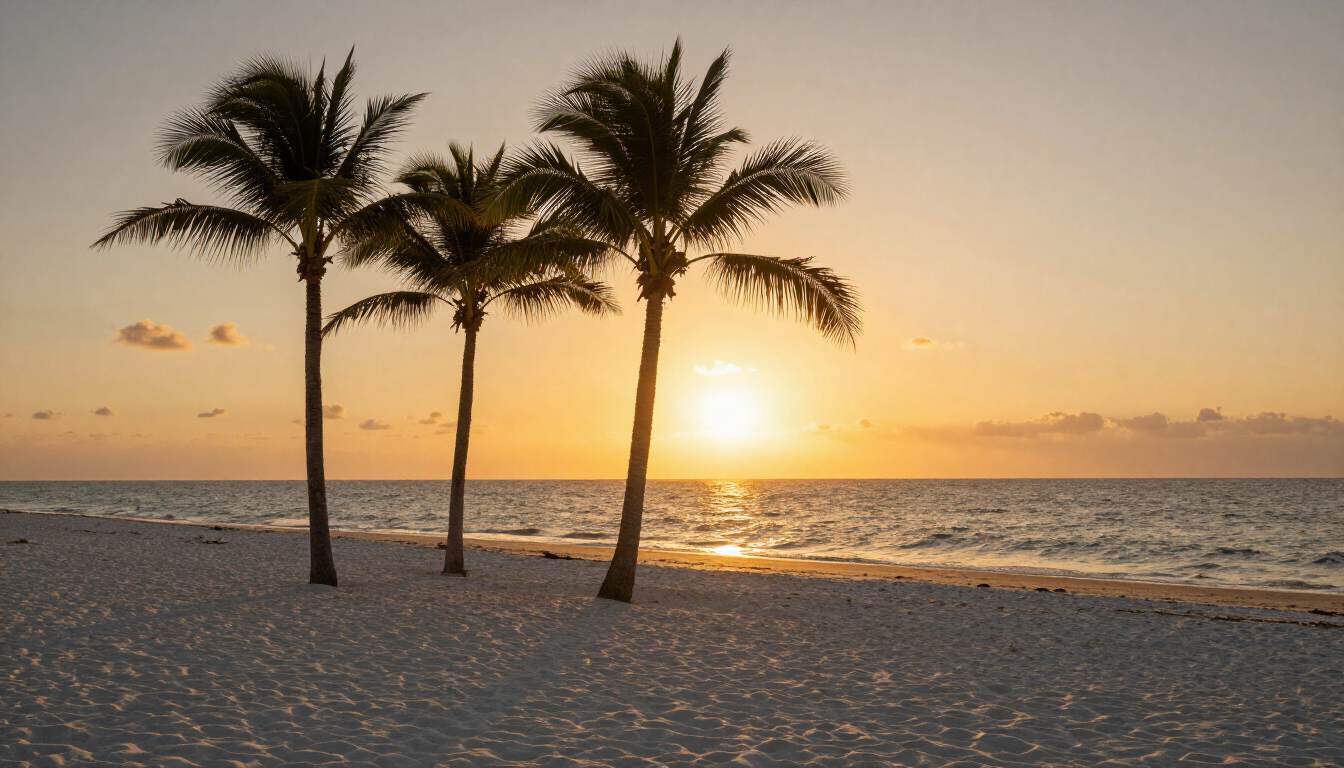
Sabal Palms at Sunset

Are coconut palms native to Clearwater?

One of the most frequent questions we hear from visitors staying in our vacation rentals is whether the coconut palms they see are native to Florida. The answer is a bit complicated. While coconut palms ( Cocos nucifera ) are synonymous with tropical paradise, they are actually an introduced species. It is widely believed that they arrived in Florida in the late 19th century, possibly from a shipwreck off the coast of Palm Beach. While they have naturalized in the southern half of the state, they are at the northern limit of their range in Clearwater.

Clearwater sits in a unique microclimate. Because we are surrounded by the warm waters of the Gulf of Mexico, we can support coconut palms that might struggle just a few miles inland. However, a particularly cold winter can be hard on them. This is why you will see many coconut palms right on the beach or near the water where the air stays slightly warmer. They are easily identified by their tall, often leaning trunks and the unmistakable clusters of green or brown coconuts hanging just below the fronds.

While they aren't "original" Floridians, coconut palms have become a beloved part of the landscape. They provide that classic "island vibe" that vacationers crave. If you’re looking to experience more of the local flora and fauna, we recommend checking out our Blog for guides on local wildlife and hidden nature trails where you can see both native and introduced species thriving side-by-side.

5 Native Florida Palms You’ll See on the Gulf Coast

While many of the lush palms you see in hotel landscapes are imported from South America or Asia, Florida has a rich collection of native palms that are perfectly adapted to our sandy soil and humid air. These native species are often more environmentally friendly as they require less water and fertilizer than exotic varieties. Here are five you should look for during your stay:

  1. Saw Palmetto (Serenoa repens): Usually seen as a low-growing ground cover, these have sharp, saw-like teeth along their stems.
  2. Royal Palm (Roystonea regia): One of the most majestic palms, featuring a massive, smooth, concrete-like trunk and a bright green crownshaft.
  3. Needle Palm (Rhapidophyllum hystrix): A shrubby, clumping palm known for the long, needle-like spines at its base.
  4. Everglades Palm (Acoelorraphe wrightii): Also known as the Paurotis palm, it grows in striking, thin-trunked clusters.
  5. Scrub Palmetto (Sabal etonia): A smaller relative of the Sabal Palmetto that stays low to the ground and is common in sandy scrub habitats.

Seeing these native palms in their natural habitat, such as at Honeymoon Island or Caladesi Island near Clearwater, offers a glimpse into what Florida looked like centuries ago. The Saw Palmetto, in particular, is an essential part of the Florida scrub ecosystem, providing cover for gopher tortoises and various bird species. Its berries are also harvested for medicinal purposes, showcasing the practical value of our local greenery.

The Exotic Beauty of Royal and Queen Palms

For many travelers, the quintessential Florida image involves towering, symmetrical palms lining a grand driveway or poolside. These are often the Royal and Queen palms. The Royal Palm is arguably the most impressive of all palm trees in Clearwater Florida. It can reach heights of 80 feet or more. Its trunk is perfectly straight and grey, topped with a smooth green section called the crownshaft from which the fronds emerge. Because they are native to the Caribbean and southernmost Florida, seeing them this far north is a testament to Clearwater's mild coastal weather.

Queen Palms, on the other hand, are the workhorses of Florida landscaping. Originally from South America, they grow quickly and offer a soft, billowy look. They are frequently used in the landscaping of Watersports Rentals locations and beach resorts to create an immediate tropical feel. However, because they are not native, they require a bit more maintenance, including regular fertilization with manganese to prevent "frizzle top," a condition where new leaves emerge stunted and yellow. Despite this, their graceful silhouettes against a Clearwater sunset are hard to beat.

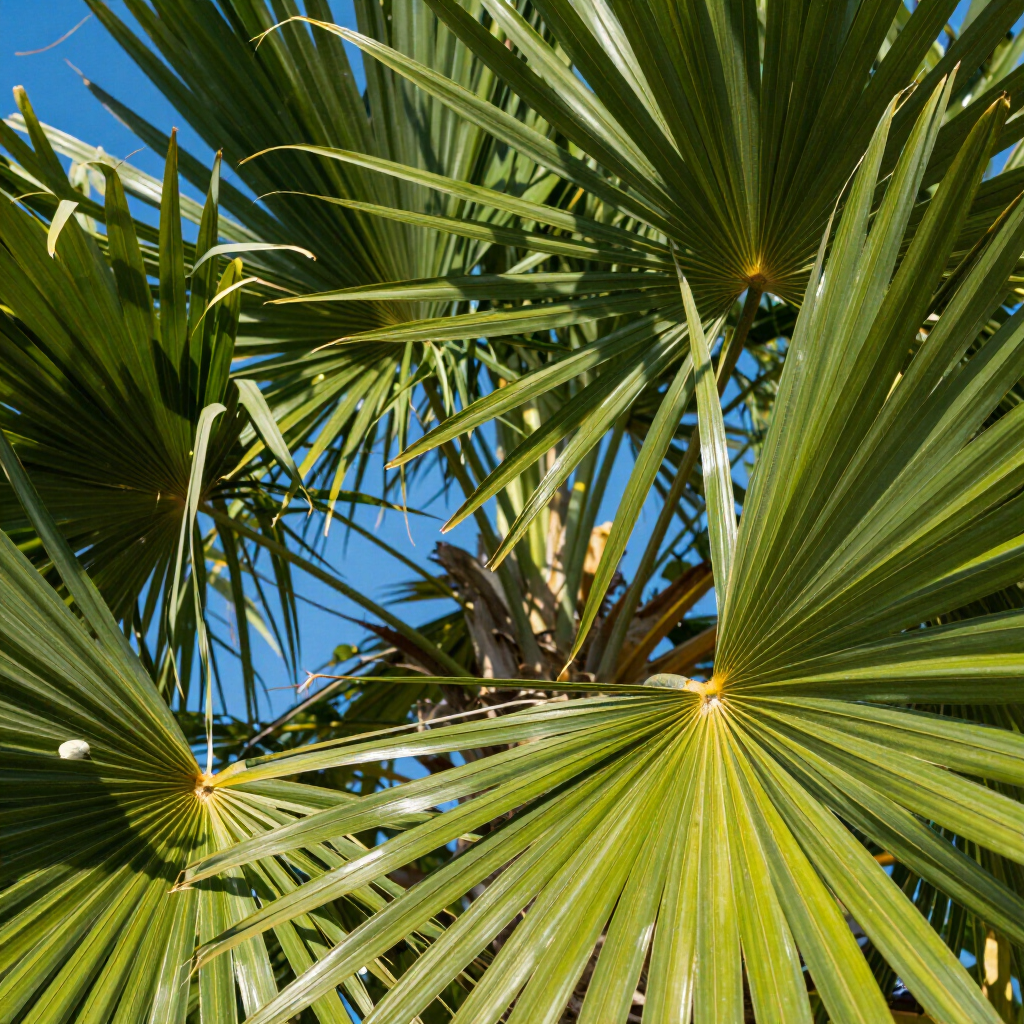
Lush Green Palm Fronds

Identifying Palms by Their Frond Shape

If you want to impress your fellow travelers, the easiest way to categorize palms is by their leaf shape. Almost all palms fall into one of two categories: fan palms or feather palms. This simple distinction helps narrow down the species significantly when you are out exploring.

Fan Palms (Palmate): As the name suggests, these leaves look like a folding fan or a human hand with fingers spread wide. The segments radiate from a single point on the stem. The Sabal Palmetto, Saw Palmetto, and Washingtonia are all fan palms. They tend to have a more rugged, architectural look and are often very hardy.

Feather Palms (Pinnate): These leaves resemble a bird’s feather, with individual leaflets branching off a central midrib. The Coconut Palm, Queen Palm, and Royal Palm are classic examples of feather palms. These varieties usually provide a more "lush" and "tropical" appearance and are often associated with high-end resorts and beachfront vistas.

By observing the frond shape, the texture of the trunk, and the presence of fruit, you can begin to identify the diverse palms that make up the Clearwater canopy. It’s a fun, low-stakes way to engage with the local environment while you’re out enjoying the sun.

Where is the best place to see palm trees in Clearwater?

You don't have to go far to see spectacular palms in Clearwater, but a few spots stand out for their variety and beauty. Clearwater Beach is, of course, lined with palms that frame the white sand and turquoise water. Walking along Beach Walk, you’ll see meticulously maintained specimens that are perfect for photography. For a more natural experience, head north to Honeymoon Island State Park. Here, you can see native Sabal palms and Saw palmettos in their original coastal hammock environment, interspersed with ancient slash pines.

Another fantastic location is the Pinellas Trail, which runs through the heart of the county. As you bike or walk, you’ll pass through various micro-habitats featuring everything from massive Washingtonia palms to manicured Areca hedges. If you are staying at one of our 1000 Palms Vacation Rentals, you literally have a front-row seat. Many of our properties are specifically landscaped to highlight the beauty of these trees, featuring both waterfront views and the shade of mature palms. There’s nothing quite like sitting on a balcony with a cold drink, watching the palm fronds dance in the evening breeze.

Why vacationers love our palm-lined properties

At 1000 Palms Vacation Rentals, we believe that the environment is just as important as the accommodations. Our name isn't just a marketing slogan; it reflects our commitment to the tropical atmosphere that makes the Gulf Coast so special. Vacationers love our properties because they offer an immersive Florida experience. Whether you’re staying at a pet-friendly cottage or a luxury beachfront condo, you are never more than a few steps away from the iconic greenery of the state.

Our rentals provide the perfect home base for exploring the diverse palm varieties of Clearwater. After a day of identifying trees or enjoying Watersports Rentals like jet skis, you can return to a peaceful, palm-shaded retreat. We take great pride in maintaining our grounds to ensure that the palms are healthy and vibrant, providing the privacy, shade, and aesthetic beauty that define a dream Florida vacation. From Clearwater Beach down to Treasure Island, our properties are integrated into the local landscape, offering a true sense of place.

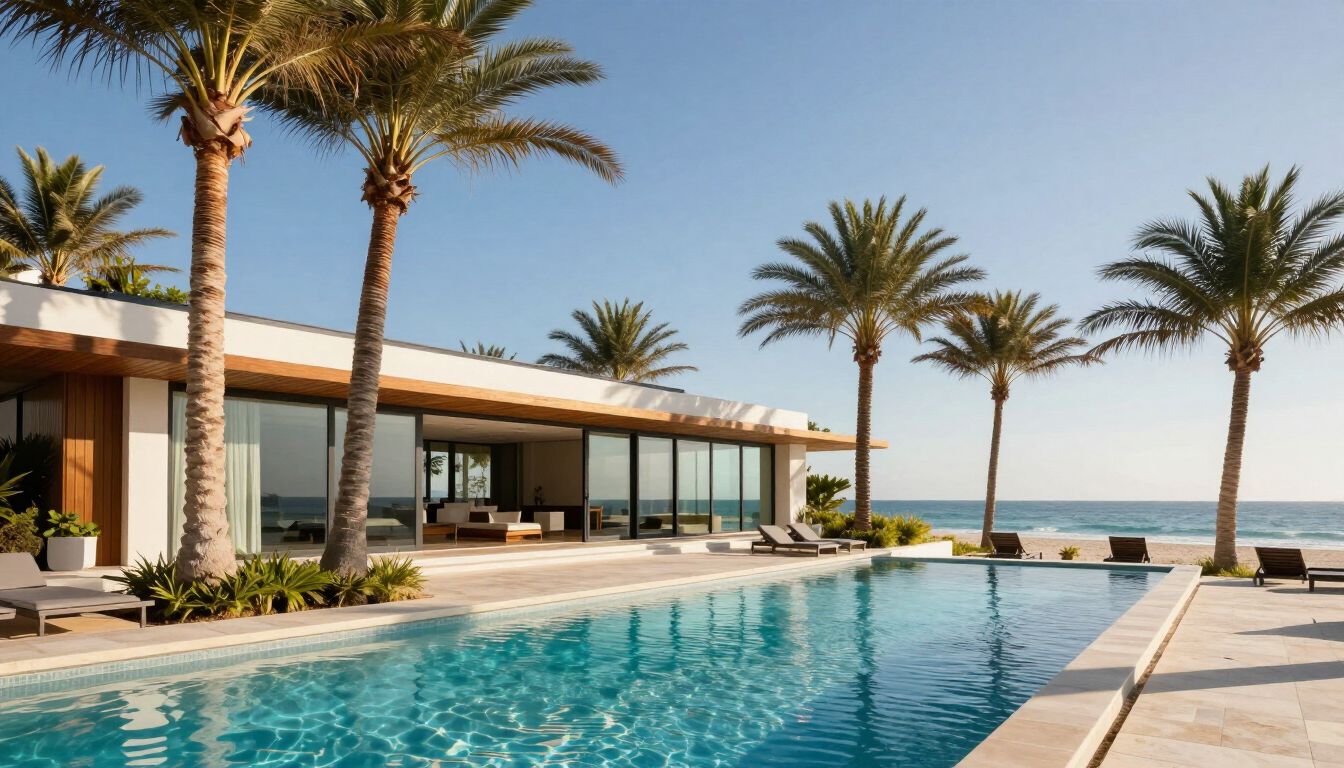
Modern Vacation Rental with Palms

Interesting Facts About Florida’s Tropical Canopy

To wrap up your crash course in Florida botany, here are some fun facts about the palms you’ll see around Clearwater:

  • Not actually trees: Botanically speaking, palms are more closely related to grasses, lilies, and orchids than they are to oaks or pines. They don't have wood; they have fibrous bundles.
  • Lightning Magnets: Because they are often the tallest structures on the coast and are filled with sap and water, palms are frequently struck by lightning during Florida’s afternoon thunderstorms.
  • Age Matters: Some palms, like the Sabal Palmetto, can live for over 100 years, witnessing decades of Florida history.
  • Hurricane Heroes: Palms are evolved to survive high winds. Their flexible trunks and aerodynamic fronds allow them to bend without breaking.
  • Wildlife Hubs: Palms provide critical habitat for the Florida bonneted bat, numerous migratory birds, and even the occasional tree frog.

Key Takeaways for Your Clearwater Palm Tour

Exploring the different types of palm trees in Clearwater Florida is a fantastic way to connect with the local culture and environment. Whether you are identifying the native Sabal Palmetto or admiring the exotic Royal Palm, these trees are the heartbeat of our tropical landscape.

  • Identify by frond: Use the fan vs. feather rule to quickly categorize palms.
  • Look for natives: Seek out the Sabal and Saw Palmetto for a true taste of Florida’s natural history.
  • Enjoy the diversity: Appreciate how both native and introduced species coexist to create a paradise.
  • Visit local parks: Head to Honeymoon Island or stay at a waterfront rental to see the best specimens.
  • Capture the moment: Palms make the perfect silhouette for your sunset vacation photos.

Clearwater's palms are waiting for you! We encourage you to get outside, look up, and notice the incredible diversity of the trees that make this part of the world so beautiful. Book your stay today and start your own tropical adventure under the shade of 1000 palms.

Recent Posts

Beautiful balcony view of the Florida Gulf Coast from a luxury vacation rental.
September 1, 2026
Comparing Florida Gulf Coast hotels vs. vacation rentals? Discover why Stay & Play Clearwater Beach offers the perfect mix of privacy, service, and local amenities.
Clearwater Beach Florida turquoise water and white sand under a sunny sky
August 31, 2026
Save on your Florida getaway! Discover the best Florida Gulf Coast vacation rental deals for Fall 2026, including promo codes for Clearwater and Treasure Island stays.
Jet skis lined up on the white sands of Clearwater Beach, Florida.
August 26, 2026
Discover the best time for a Clearwater Beach jet ski rental. From calm morning waters to stunning golden hour sunsets, find your perfect ride time.
Sunset view from a luxury Gulf Coast vacation rental balcony overlooking white sand and turquoise water.
August 25, 2026
Discover how each month differs for a Florida Gulf Coast vacation. From weather to crowds, find the best time to visit Clearwater Beach and St. Pete in our month-by-month guide.
Neon live music sign in a vibrant Florida entertainment district.
August 24, 2026
Discover the best live music venues in Tampa, St. Petersburg, and Clearwater. From historic courtyards to waterfront amphitheaters, plan your perfect Florida music getaway.

A stunning houseboat rental in Clearwater Beach Florida under a clear blue sky.
August 17, 2026
Experience the ultimate Florida adventure in our Clearwater Beach houseboat vacation rental. Enjoy sunrise views, private decks, and free kayaks/bikes!
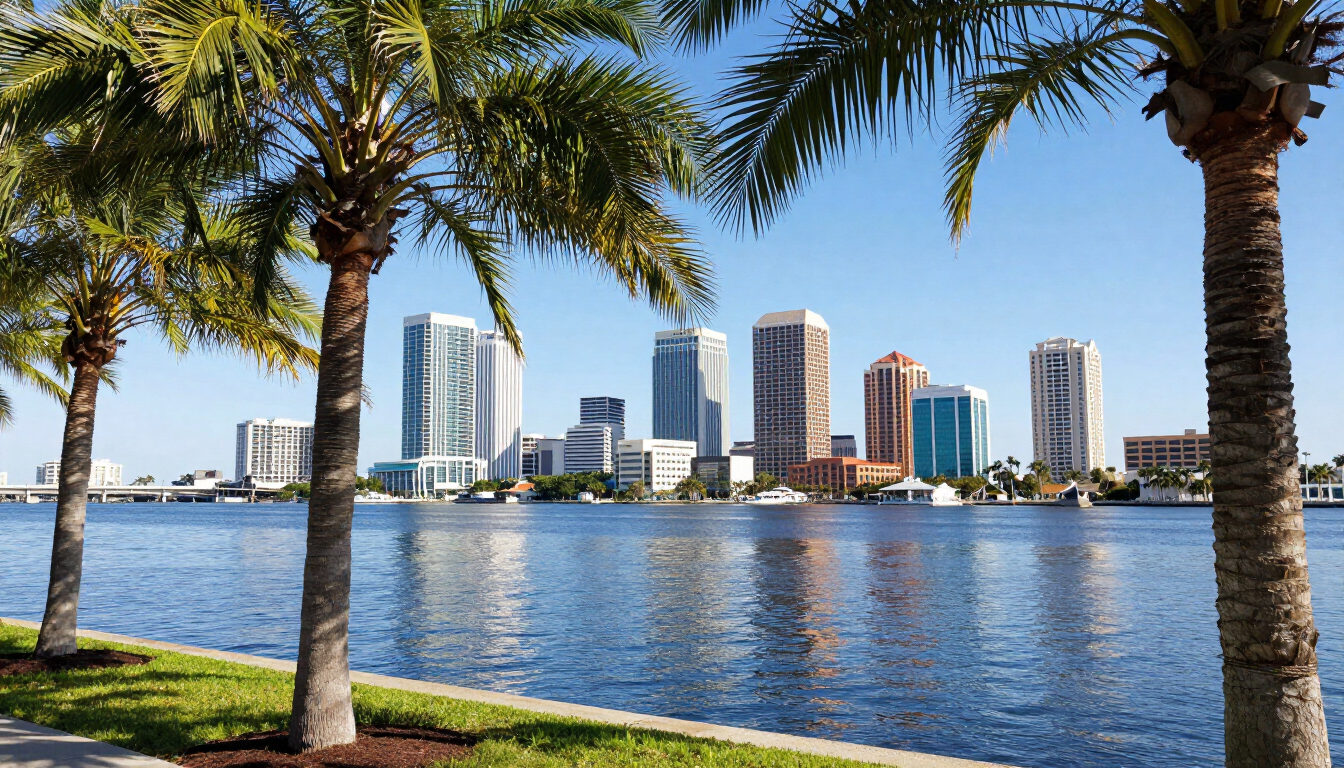
Sunny Tampa Bay beach sunset with palm trees
August 10, 2026
Discover the best time to visit Tampa, Florida. Explore seasonal weather, beach conditions, local events, and travel tips for families and budget seekers in our 2026 guide.
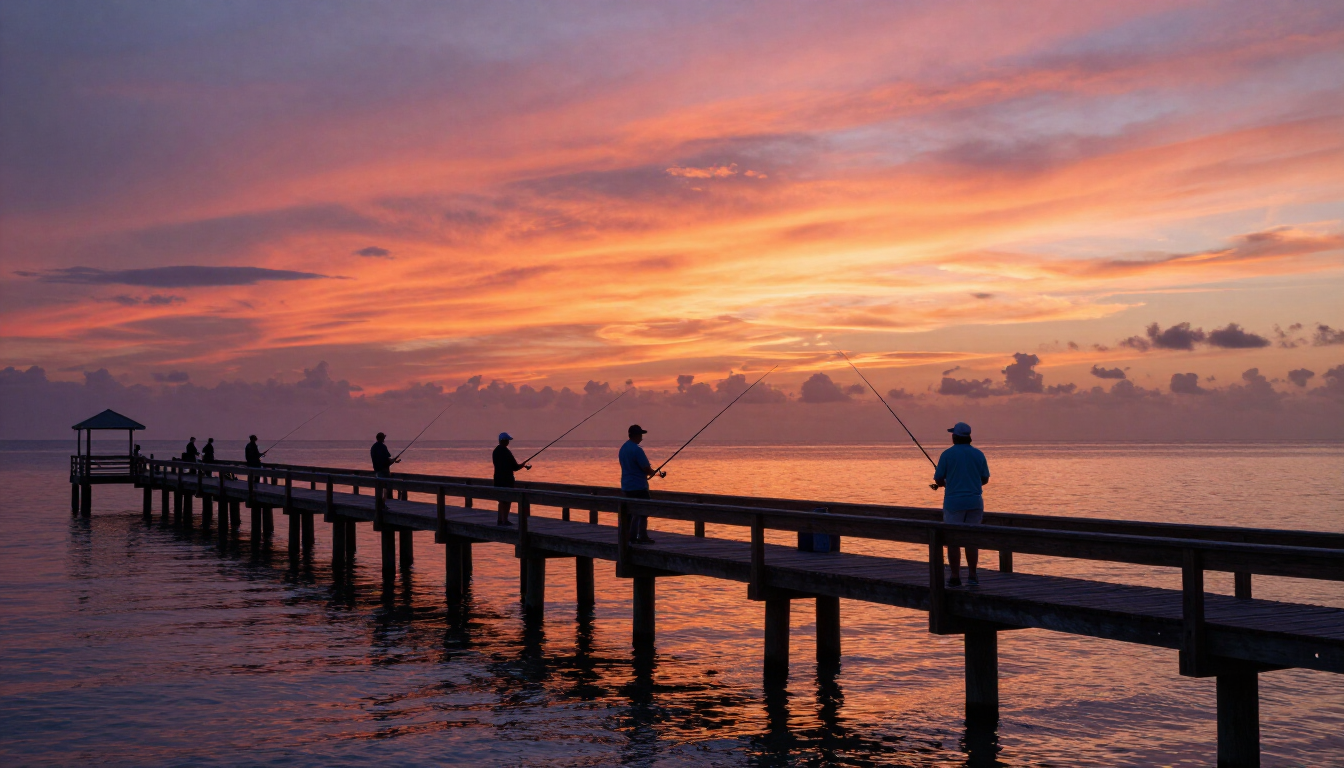
An angler fishing at sunset on Clearwater Beach pier.
August 9, 2026
Master fishing in Clearwater Beach with our complete guide. Learn about charters, Pier 60, offshore trips, and seasonal catches for your Florida vacation.
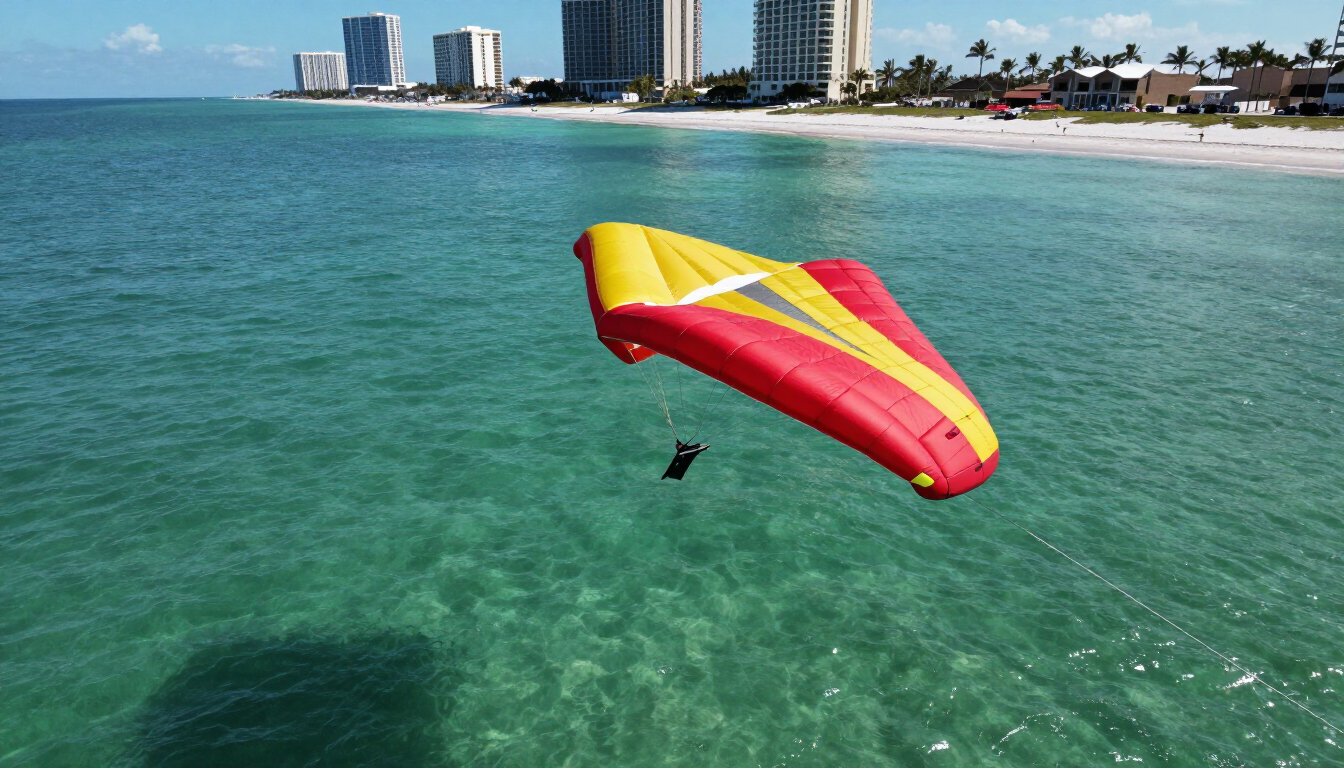
Happy couple parasailing in Clearwater Beach Florida
August 9, 2026
Get the best tips for parasailing in Clearwater Beach, Florida. Learn what to wear, typical trip flow, and how to spot marine life from 500 feet up!
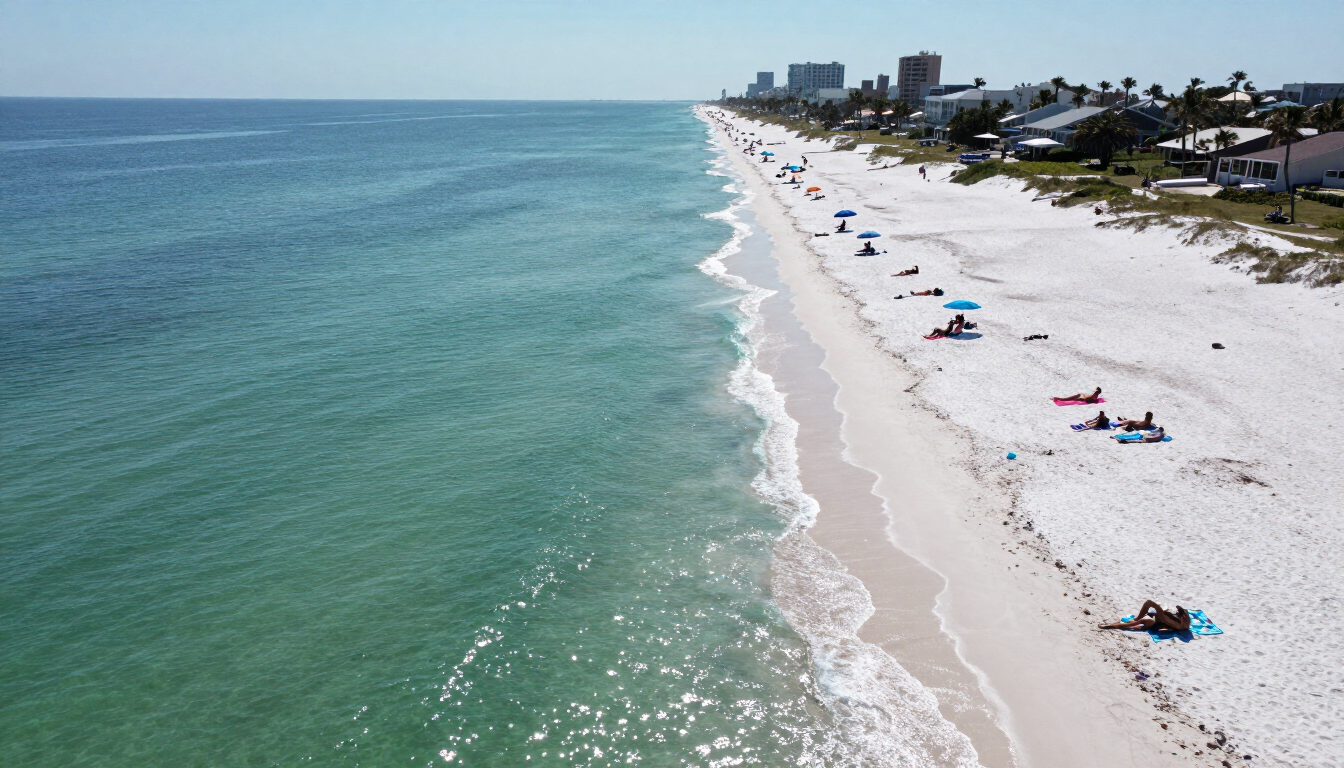
A person kayaking in the turquoise waters of Clearwater Beach at sunset.
August 9, 2026
Discover the best outdoor activities in Clearwater Beach, from jet skiing and kayaking to exploring Honeymoon Island. Plan your ultimate Florida adventure today!

Show More